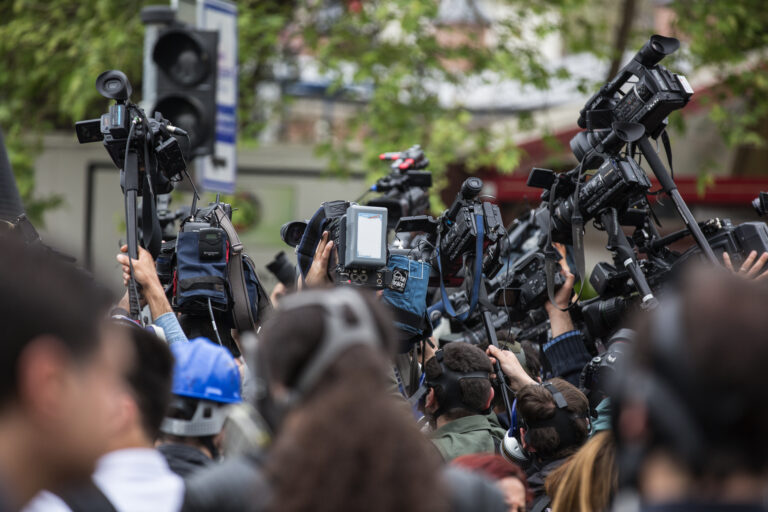


Investigative journalism is the practice of in-depth, original reporting on matters of significant public interest. It requires sustained effort, rigorous verification, and the courage to publish findings that powerful interests may actively resist.
It is not breaking news. It is not analysis. It is discovery.
How Investigative Journalism Works
Unlike daily reporting, which reacts to events, investigative journalism initiates them. A well-executed investigation begins with a lead, a document, a source, or a pattern, and ends with a story that would not exist without the journalist’s work.
The Research Phase
Investigative journalists start by building a comprehensive picture of their subject through public records, financial disclosures, court documents, and background interviews. This phase can take weeks before a single on-record source is contacted.
Source Development
Cultivating sources is one of the most important and most sensitive skills in investigative reporting. Sources must trust that the journalist will protect their identity and use their information responsibly.
Verification and Cross-Referencing
Every significant claim must be verified independently, ideally through multiple sources and documentary evidence. A single source, no matter how credible, is rarely sufficient for a high-stakes investigative story.
What Investigative Journalism Covers
Investigative journalism has no fixed subject matter. Its defining characteristic is method, not topic.
Common areas include:
- Corporate fraud and financial misconduct
- Government corruption and abuse of power
- Environmental violations and public health threats
- Failures in criminal justice systems
- Systemic discrimination and civil rights abuses
- Organized crime and trafficking networks
The Legal Landscape for Investigative Journalists
Investigative journalism operates within, and sometimes against, complex legal frameworks. Understanding media law is not optional for journalists doing serious work.
Shield Laws and Source Protection
Many jurisdictions provide legal protections for journalists who refuse to reveal confidential sources. These shield laws vary significantly by country and, in the United States, by state.
Defamation Risk and Libel Exposure
Publishing information that turns out to be false, or that is true but insufficiently documented, can expose a journalist and their publisher to defamation claims. Thorough documentation, pre-publication legal review, and a right-to-reply process are standard risk-management practices.
FOIA and Public Records Access
Freedom of Information laws give journalists the legal right to request government documents. FOIA requests are among the most powerful tools in an investigative journalist’s toolkit, though responses can be slow and heavily redacted.
Why Investigative Journalism Matters
Investigative journalism has exposed some of the most significant institutional failures of the past century. The Watergate investigation, the Panama Papers, revelations of police violence captured through forensic reporting, and corporate safety cover-ups have all emerged from sustained investigative work.
The Accountability Function
Investigative journalism serves as an external check on institutions that regulate themselves poorly. When internal oversight fails, a well-resourced investigative team is often the only mechanism capable of surfacing the truth.
The Public Interest Standard
Not every interesting story serves the public interest. Investigative journalism justifies its intrusions, its legal risks, and its resource costs by demonstrating that its findings matter to people beyond those directly involved.
Investigative Journalism vs Other Types of Journalism
Daily news reporters cover what happened. Investigative journalists uncover what was hidden.
Feature writers tell human stories with depth and nuance. Investigative journalists use those same narrative tools in service of accountability, not just understanding.
The distinction is meaningful because it defines how a story should be read and how its claims should be evaluated.
What Makes Investigative Journalism Credible
Credibility in investigative journalism comes from method, not reputation.
A story is credible when it is based on named sources where possible, documentary evidence, transparent methodology, and a demonstrated opportunity for the subject to respond before publication. These standards are what separate investigative journalism from speculation, from advocacy, and from the kind of sensationalism that defines yellow journalism.
Investigative journalism is difficult, expensive, and legally exposed. It is also one of the most consequential things a free press can do.